
How Long Will a Battery Last if the Alternator Is Bad?
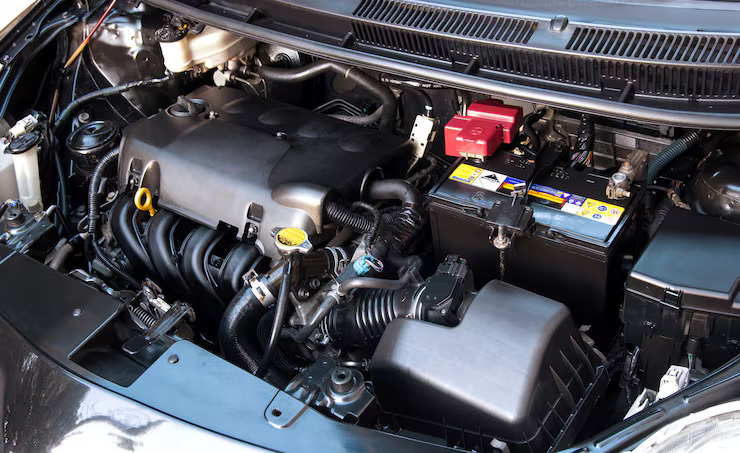
You turn the key and something doesn’t feel right. Maybe the engine cranked slowly. Maybe the battery warning light is glowing on the dashboard. Maybe the car started fine but the electrics are behaving strangely. Now you’re wondering: is it the battery, the alternator, or both?
It’s one of the most common and most confusing car problems, because a bad alternator will eventually kill your battery — meaning by the time you notice the symptoms, you’ve often got two problems instead of one. Add to that the fact that the symptoms of a failing alternator and a dying battery overlap significantly, and it becomes genuinely difficult to know which part is actually the culprit.
This guide is going to answer the question you came here with — how long your battery will last if the alternator is bad — and then walk you through everything you need to know to diagnose the problem yourself, understand what the symptoms mean, and decide what to do next.
How the Alternator and Battery Work Together
To understand what happens when the alternator fails, you first need to understand what each component is actually responsible for — because they have quite distinct jobs, even though they work as a team.
What the battery does
The car battery is a storage device. Its primary job is to deliver a large burst of electrical power to start the engine — that’s the 12-volt jolt that spins the starter motor. Once the engine is running, the battery’s role becomes secondary. It acts as a buffer, smoothing out electrical fluctuations and providing power on demand if the alternator can’t keep up — but it isn’t designed to power the car continuously. A standard 12-volt car battery has a finite charge, and without recharging, it will drain.
What the alternator does
The alternator is a generator, driven by a belt connected to the engine. As the engine runs, it spins the alternator, which produces alternating current (AC) that is then converted to direct current (DC) to charge the battery and power everything electrical in the car — the ignition system, fuel injection, headlights, climate control, infotainment, and so on.
A healthy alternator typically outputs between 13.8 and 14.8 volts when the engine is running — enough to keep the battery topped up and run all electrical systems simultaneously. When the alternator fails, that supply disappears. The car begins drawing all its electrical power directly from the battery, draining it continuously until there’s nothing left.
“Think of the battery as a torch that came pre-charged, and the alternator as the USB socket that recharges it. Take away the socket, and the torch eventually goes dark — it’s just a matter of when.”
How Long Will the Battery Actually Last?
Here’s the direct answer: with a completely failed alternator, a fully charged, healthy battery will power a running car for roughly 30 minutes to 2 hours. With a partially functioning alternator that’s undercharging (a common failure mode), the timeframe can stretch considerably — sometimes days of normal use before the battery is finally depleted.
But those numbers are genuinely variable, and understanding what affects them helps you make better decisions in a difficult situation.
Factors that determine how long the battery lasts
Battery capacity and condition — a large, new, fully charged battery will last considerably longer than a small, ageing one. A fresh 70Ah battery in peak health has far more reserve than a three-year-old 45Ah unit that was already struggling on cold mornings. Battery capacity is measured in amp-hours (Ah); the higher the number, the more charge it stores.
Electrical load — the more power the car is consuming, the faster the battery drains. Headlights on full beam, heated seats, rear demister, blower motor running, radio on, wipers going — all of these draw current simultaneously. On a cold, wet, dark winter night with everything running, a battery can drain twice as fast as on a warm summer day with minimal accessories in use.
Engine type and ignition demands — modern petrol and diesel engines with high-pressure direct injection, twin turbos, and multiple electronic control units draw significantly more electrical current than older, simpler engines. The battery is working harder to keep a more complex engine running.
Whether the car is parked or running — this one surprises people. If your alternator has failed but you’re not driving, the battery drain is much slower. Modern cars have “parasitic drain” — a small constant draw from clocks, alarms, and keep-alive memory in various control units — but this is measured in milliamps, not amps. A parked car with a failed alternator might retain useful charge for several days; a running car with a failed alternator might last thirty minutes.
| Scenario | Estimated Battery Life | Notes |
|---|---|---|
| Full alternator failure, full battery, minimal load (daytime, no AC) | 60–120 minutes driving | Best-case driving scenario |
| Full alternator failure, full battery, heavy load (night, wipers, heat) | 20–40 minutes driving | Winter conditions significantly reduce life |
| Full alternator failure, battery at 50% charge | 15–50 minutes driving | Common scenario after overnight drain |
| Partial alternator failure (undercharging), healthy battery | Several days to weeks | Gradual degradation — harder to detect |
| Car parked, alternator failed, no engine running | 2–7 days (parasitic drain only) | Depends on battery age and ambient temperature |
Don’t risk it: If you suspect your alternator has failed, don’t attempt a long journey hoping the battery holds out. A sudden loss of electrical power while driving means loss of power steering assistance (on electric-assist systems), instrument cluster failure, and eventual engine cutout. Plan to reach the nearest safe place — not the next service station 40 miles away.
Also read: If I Jump My Car Battery, How Long Will it Last?
Signs of a Bad Alternator
The symptoms of a failing alternator are distinctive once you know what to look for. The key is that alternator symptoms typically appear while the engine is running — because that’s when the alternator should be working. If problems appear only at startup, the battery is more likely to blame.
Battery Warning Light Illuminated:
The battery icon on the dashboard doesn’t actually mean the battery is failing — it means the charging system isn’t operating at the correct voltage. This is often the first sign of alternator trouble.
Flickering or Dimming Lights:
Headlights, interior lights, or dashboard illumination that dims or flickers — especially when the engine is under load or at idle — suggests the alternator isn’t maintaining consistent voltage output.
Electrical Gremlins While Running
Windows moving slowly, radio resetting, sat-nav losing power, electric seats behaving oddly — erratic electrical behaviour while the engine is running is a classic alternator symptom.
Whining, Grinding or Squealing Noise
A failing alternator bearing will often make a grinding or whining noise that changes with engine RPM. A worn serpentine belt (which drives the alternator) can produce squealing. Listen carefully around the belt area.
Burning Rubber or Electrical Smell
A hot electrical smell (like burning wiring) from under the bonnet can indicate the alternator is overloading. A rubber smell may mean a slipping drive belt. Both warrant immediate investigation.
Battery Drains Repeatedly
If you keep replacing or jump-starting your battery and it keeps going flat, the battery itself may be fine — it’s simply not being recharged because the alternator is failing. Replacing the battery without fixing the alternator solves nothing.
Engine Stalls While Driving
In a complete alternator failure scenario, the engine will eventually stall as the battery is fully depleted and can no longer power the ignition system and fuel injection. The car simply cuts out mid-journey.
Multiple Warning Lights Appearing
As battery voltage drops due to a failed alternator, various systems begin throwing fault codes simultaneously — ABS, traction control, engine management. Multiple unrelated warning lights at once strongly suggests a voltage supply issue.
Signs of a Bad Battery
Battery symptoms tend to be most pronounced at the point of starting — because that’s when the battery’s contribution is greatest. If the car starts, runs normally, and all electrics behave correctly while driving, but you have trouble getting it going in the first place, the battery is the more likely suspect.
Slow or Laboured Cranking
The engine turns over sluggishly — “rrrr-rrrr-rrrr” instead of snapping to life. This is the most classic battery symptom, especially worse on cold mornings when battery performance drops significantly.
Clicking Sound, No Engine Crank
A single click or rapid repeated clicking when you turn the key — with no engine crank — typically means the battery doesn’t have enough charge to power the starter motor. The solenoid is firing but the motor can’t turn.
Worse Performance in Cold Weather
Battery capacity drops significantly at low temperatures. A battery that starts the car fine in summer but struggles in winter is showing its age — its cold cranking amps (CCA) have degraded below the engine’s starting requirement.
Car Sits Unused and Won’t Start
If a car sits for a week or two and won’t start, the battery has self-discharged below usable voltage. A healthy battery should hold adequate charge for several weeks without driving. If it can’t, it’s failing.
Old Battery (3+ Years)
Most car batteries last 3–5 years. If yours is approaching or past this age and you’re having any starting trouble, the battery is the first thing to investigate. Age alone is a strong predictor of imminent failure.
Runs Fine Once Started
This is a key differentiator. If the car starts reluctantly but then runs perfectly — lights are bright, electrics behave, no warning lights — the charging system is working fine. The battery is the weak link at the start-up stage only.
Good to Know: A battery can pass a simple voltage test and still fail under load. This is called a “surface charge” — the battery shows 12.6V at rest but collapses under the current demand of cranking the engine. Proper battery testing requires a load test, not just a voltmeter reading.
Bad Alternator vs Bad Battery: How to Tell Them Apart
The easiest way to think about this: timing and context. Battery problems predominantly manifest at startup; alternator problems predominantly manifest while the engine is running. That’s the clearest rule of thumb, though there is overlap — a bad alternator will eventually cause battery problems, and a very flat battery can sometimes mimic alternator-related electrical issues.
| Symptom | Bad Battery | Bad Alternator |
|---|---|---|
| When does it occur? | Mostly at startup | Mostly while running |
| Slow cranking | Very common | Only when battery is depleted |
| Won’t start at all | Common | After battery fully drains |
| Battery warning light | Occasionally | Very common |
| Flickering lights while driving | Unlikely | Very common |
| Electrical gremlins while engine running | Unlikely | Common |
| Jump start works — stays running | Yes — alternator recharges | No — drains again quickly |
| Jump start works — dies again soon | Only if severely damaged | Yes — no recharging |
| Grinding/whining from engine bay | No | Possible (bearing noise) |
| Battery repeatedly goes flat | If internally shorted | Very common pattern |
| Worse in cold weather | Very common | Less affected by temperature |
The Jump Start Test: One of the most reliable quick tests: jump start the car. If the battery was the problem, it should now start and run normally — the alternator will recharge it and you’ll have no further issues that journey. If the alternator is the problem, the car may start after a jump but will run down again and either stall or refuse to restart later. Jump-starting a car with a bad alternator buys you time, not a solution.
Step-by-Step Home Diagnosis
You don’t need a garage or expensive equipment to perform a basic but reliable diagnosis. All you need is a multimeter — a cheap one from any hardware store or online retailer for under £10 will do the job perfectly. Here’s exactly what to do.
Test the battery at rest (engine off)
Set your multimeter to DC voltage (20V range). Connect red to the positive battery terminal, black to negative. A fully charged, healthy battery should read between 12.6V and 12.8V. Below 12.4V indicates partial discharge. Below 12.0V is heavily discharged. Below 11.8V is effectively flat. This tells you the current state of the battery but not whether the alternator is working.
Test the charging voltage (engine running)
Start the engine and repeat the voltage test at the battery terminals with the engine idling. The voltage should now read between 13.8V and 14.8V. This is the alternator’s output keeping the battery charged. If the reading is still around 12.6V with the engine running, the alternator is not charging. If it reads below 13.5V, it’s undercharging. Above 15V suggests overcharging, which will damage the battery.
Load test the alternator
With the engine running, turn on every major electrical load simultaneously — full beam headlights, heated rear window, blower fan on maximum, heated seats if fitted. Recheck the voltage. A healthy alternator should maintain at least 13.5V under this load. If the voltage drops below 13V or continues falling, the alternator is struggling under demand — it may be partially functional but insufficient for your vehicle’s needs.
Check the alternator belt visually
With the engine off, locate the serpentine belt or alternator belt (consult your handbook for its location). Check for cracking, fraying, glazing (a shiny surface), or obvious slack. A slipping or broken belt will prevent the alternator from generating power even if the alternator itself is mechanically sound. Replacing a worn belt is significantly cheaper than replacing an alternator.
Listen for alternator noise
With the engine idling, listen carefully near the alternator (usually found at the front of the engine on one side, driven by the belt). A grinding, rumbling, or whining noise that changes with engine speed suggests worn alternator bearings. This can be distinguished from belt noise (more of a squeal, typically on cold starts) by its pitch remaining relative to RPM rather than disappearing as things warm up.
Get a professional load test on the battery
If the charging voltage looks normal but you’re still experiencing problems, have the battery professionally load tested at a garage or battery specialist. This test applies a controlled electrical load and measures how the battery responds under real cranking conditions — revealing failures that a simple voltmeter can’t detect. Most garages and tyre centres will do this for free or a nominal charge.
Voltage Guide: What the Numbers Mean
Use this as a quick reference whenever you’re running voltage tests. Save it, bookmark it, or screenshot it for when you need it.
Battery Voltage — Engine Off
| 12.7V+ | Fully charged, healthy battery | Healthy |
| 12.4–12.6V | Partially discharged — acceptable but monitor | Monitor |
| 12.0–12.4V | Significantly discharged — needs charging | Recharge |
| Below 12.0V | Heavily discharged — may not start | Critical |
| Below 11.8V | Effectively flat — will not crank engine | Flat |
Charging Voltage — Engine Running
| 13.8–14.8V | Normal alternator charging voltage | Normal |
| 13.5–13.8V | Marginally low — acceptable under very heavy load only | Monitor |
| Below 13.5V | Undercharging — alternator suspect | Investigate |
| Same as resting V | Alternator not charging at all | Failed |
| Above 15V | Overcharging — voltage regulator fault | Danger |
What to Do If You’re Stranded or Suspect a Problem
If the car won’t start and you’re at home
If the car is at home and won’t start, the situation is manageable. Try jump-starting from another vehicle or a portable jump starter. If it starts and runs normally, the battery was likely the issue — either too discharged or failing. Have the battery professionally tested before relying on the car for important journeys. If it won’t start even with a jump, or starts but immediately shows warning lights or electrical problems, the alternator is the more likely culprit — don’t drive it; get professional assistance.
If you’re already driving and warning lights appear
If the battery warning light illuminates or you notice flickering lights or electrical gremlins while driving, assume the worst: the alternator may have failed. Take these steps:
- Reduce electrical load immediately — turn off air conditioning, heated seats, rear demister, and any non-essential accessories. This extends the remaining battery life.
- Don’t turn the engine off — restarting a car with a depleted battery and failed alternator may not be possible. Keep moving toward a safe destination.
- Head to the nearest safe stopping point — a garage, services area, or safe roadside location. Don’t plan a long journey to the nearest specialist.
- Call for assistance — if you’re on a motorway or A-road and don’t have a nearby safe stopping option, contact your breakdown provider or roadside assistance now, before the car stalls.
Important: On modern vehicles with electric power steering assistance, a complete electrical failure while moving can result in significantly heavier steering. The car remains steerable, but be prepared for increased effort — particularly at lower speeds.
How much does alternator replacement cost?
In the UK, alternator replacement typically costs between £200 and £600 depending on the vehicle. Budget cars and common fleet vehicles tend toward the lower end; prestige or complex vehicles with high-output alternators cost more. Labour typically runs 1–3 hours. A remanufactured alternator is a cost-effective option on older vehicles and typically carries a warranty equivalent to a new unit.
Battery replacement costs are considerably more modest — typically £80–£200 fitted, depending on battery specification and vehicle type.
If both need replacing simultaneously — which happens when a failing alternator has damaged a battery through chronic undercharging or overcharging — most mechanics will discount the combined labour since much of the access work is shared.
Frequently Asked Questions
Can a bad alternator damage my battery?
Yes — and this is one of the most common ways batteries are prematurely killed. An alternator that undercharges will slowly deplete the battery over days and weeks, causing it to drop into deep discharge repeatedly, which permanently reduces its capacity. An alternator with a faulty voltage regulator may overcharge, which can boil the battery’s electrolyte, warp the plates, and cause early failure. In either case, replacing the battery without fixing the alternator means the new battery will likely fail early too.
My car starts fine but the battery warning light is on — which is it?
The battery warning light specifically monitors the charging circuit — it’s more accurately an “alternator warning light.” A car that starts fine but shows a battery light while running almost always points to an alternator issue, not the battery. Run the voltage test described above: if the engine-running voltage is below 13.5V, the alternator is underperforming. If it’s showing the resting battery voltage (around 12.6V) with the engine on, the alternator has likely failed completely.
I replaced my battery but it keeps going flat — what’s happening?
This is a very common pattern with alternator failure. The new battery arrives fully charged, but without a working alternator to recharge it during driving, each journey draws the charge down a little further until the car eventually won’t start. The battery is fine; it’s simply not being topped up. Have the charging system tested immediately. Alternatively, an unusual parasitic drain — a fault causing excessive current draw when the car is parked — can also cause this pattern and is worth investigating if the alternator tests normal.
How do I know if it’s the alternator belt rather than the alternator itself?
A slipping or broken alternator belt produces exactly the same charging failure symptoms as a failed alternator — because the alternator isn’t spinning and therefore isn’t generating electricity. However, a belt issue is typically cheaper and simpler to fix than alternator replacement. Before authorising alternator replacement, a good mechanic will inspect the belt condition first. A broken belt will often be accompanied by a squealing noise just before failure, and other belt-driven components (water pump, power steering pump) may also be affected.
Can I drive with the battery light on?
Very briefly — to reach the nearest safe place — but not as normal use. The battery light means the charging system is not functioning correctly. Every mile you drive is drawing down the battery. How long you have depends on the battery’s current charge and your electrical load, but as outlined earlier, you’re typically looking at 30 minutes to 2 hours of drive time at most with a completely failed alternator. Do not ignore the battery light and carry on with your day; it will leave you stranded.
What is the lifespan of a typical alternator?
Most alternators are designed to last the lifetime of the vehicle, and many do — 150,000 to 200,000 miles is not unusual. However, alternators on high-demand modern vehicles with many electrical consumers tend to work harder and may fail earlier. Vehicles that do a lot of short-trip driving (where the alternator cycles up and down frequently) can see premature wear. If your alternator fails below 80,000–100,000 miles and the vehicle hasn’t been through unusual electrical demands, it’s worth checking whether the failure was caused by an external factor — a faulty battery, wiring issue, or voltage regulator fault.
Is it safe to jump-start a car with a bad alternator?
Yes — jump-starting is safe and will get the car running. But understand that with a failed alternator, the car is now running entirely on battery power. The jump start hasn’t fixed anything; it’s simply replaced the charge you’d lost. You now have a window of time — 30 minutes to 2 hours depending on conditions — to reach a garage or safe location. Don’t use a jump start to continue a normal journey as if nothing happened.
Broken Down with an Electrical Problem?
Our mobile team is available 24 hours a day, 7 days a week — we come to you, wherever you are in the UK.